
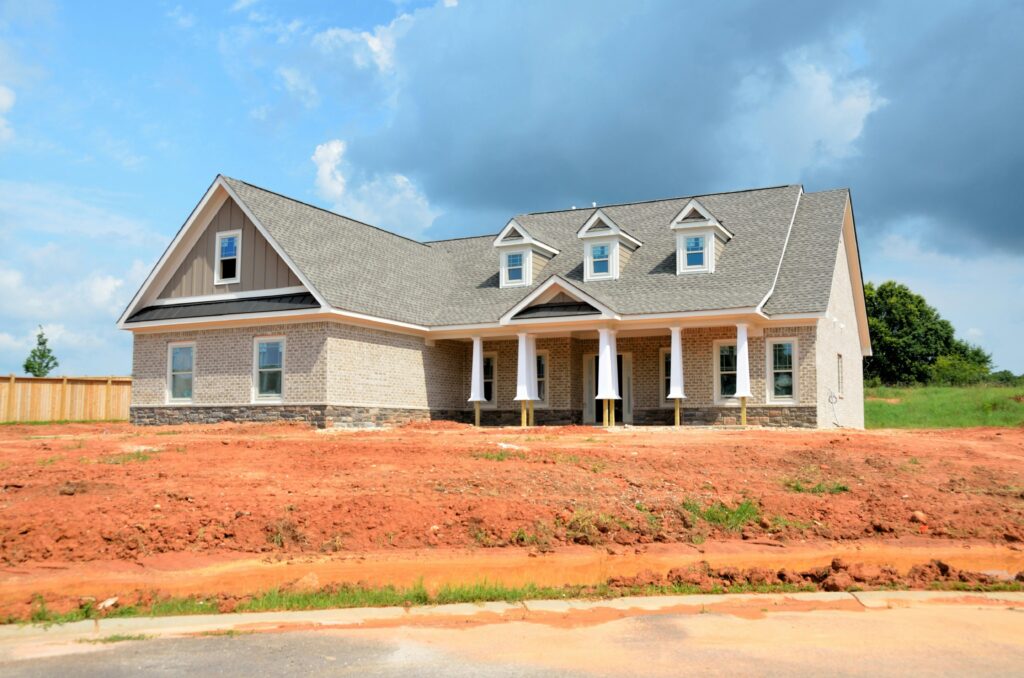
Are you thinking about building your own home? It’s an exciting journey, but let’s face it—figuring out how to pay for it can be tricky. That’s where construction mortgages come in. Let’s walk through what you need to know about financing your dream home from the ground up.
What is a Construction Mortgage?
A construction mortgage (or construction loan) is a special type of home loan designed specifically for people who are building a house rather than buying an existing one. It’s different from a regular mortgage in a few key ways:
- Short-Term: Construction loans are short-term, typically lasting just for the construction period.
- Staged Payments: The money is paid out in stages as your home is built.
- Covers All Costs: It can cover everything from buying the land (if needed) to paying for materials and labor.
How Does It Work?
Here’s the rundown of how construction mortgages typically work:
1.
2.
3.
4.
Get Approved: Before building, you’ll need to get the okay from a lender. This involves showing them your plans, introducing them to your builder, and proving you can handle the finances. It’s more involved than a regular mortgage application because the lender needs to know that the project is viable and that you have a reputable builder.
Set Up a Draw Schedule: Consider this a roadmap for your money. The lender will release funds at different stages of construction, usually aligned with significant milestones like completing the foundation, framing, roofing, etc.
Build and Get Paid Stages: The lender releases money to pay for each phase as your home goes up. This process ensures the funds are used correctly, and the project progresses as planned.
Pass Inspections: Before releasing a new chunk of money, the lender will want to check that everything’s on track. This means periodic inspections to ensure the work is done correctly and according to plan.
What About Interest and Payments?
During construction, you’ll typically only pay interest on the money paid out. This means your payments start small and grow as more of your home is built. Here are a few things to keep in mind:
- Higher Interest Rates: Interest rates on construction loans are usually a bit higher than regular mortgages because they are considered riskier.
- Variable Rates: Rates can change depending on the lender and the terms you agree to, so be sure to ask about this upfront.
-
Lower Initial Payments: Since you only pay interest on what’s been used, your payments will be
lower initially.
The Big Switch: From Construction Loan to Regular Mortgage
Construction loans are like sprinters—they’re fast and short-term. Here’s how it usually goes:
- Your construction loan covers the building period (often 12-18 months).
- When your home is done, the loan typically “converts” into a regular mortgage.
- Now you've got a standard 15-30 year home loan, just like if you'd bought an existing house.
Why Go Through All This?
Building your own home has some big perks:
- Bigger Down Payment: You’ll probably need a larger down payment, often 5-30% of the total cost.
- Extra Paperwork: Be ready for lots of paperwork and questions about your plans, builder, and finances.
-
Contingency Funds: Some lenders require you to set aside extra money (10-15% of the cost) for
surprise expenses. - Staying on Schedule: Staying on schedule is crucial—delays can mess with your loan and cost you more.
- Choosing the Right Lender: This is one of the most critical steps. The right lender can make or break the entire process. You need a lender who offers competitive rates and understands the intricacies of construction loans. They should have a solid draw process in place and be flexible enough to handle any hiccups along the way. A lender experienced in construction financing can help smooth out potential issues and guide you through each step, making the process far less stressful.
- Working with an inexperienced or unresponsive lender can lead to delays in funding, misunderstandings about the draw process, and even issues with converting your construction loan to a permanent mortgage. This is why choosing a lender specializing in construction loans with a proven track record in this area is essential.
Your Game Plan for Success
To make the process as smooth as possible, follow these steps:
1.
2.
3.
4.
5.
Do Your Homework: Research local building rules and costs.
Team Up with the Right People: Work with a builder you trust and a lender who knows construction loans.
Get Your Finances in Shape: The stronger your financial picture, the better terms you can secure.
Stay Involved: Keep the lines of communication open with your builder and lender.
Be Ready for the Unexpected: Construction can be unpredictable, so stay flexible and be prepared to adapt as needed.
Is This Right for You?
If you’ve got a clear vision of your perfect home and the patience to see it through, a construction mortgage could be your ticket to making it happen. It takes more work than buying an existing home, but it’s worth it for many people to get exactly what they want.
Ready to Take the Next Step?
Are you thinking about taking the plunge? We’re here to help. Our service connects you with the best lenders for construction loans, guiding you through the process from start to finish. Contact us, and we’ll ensure you have the support you need to build the home you’ve always wanted.